Keeping the Character, Raising the Standard: Period Window Decisions for Wirral Homes
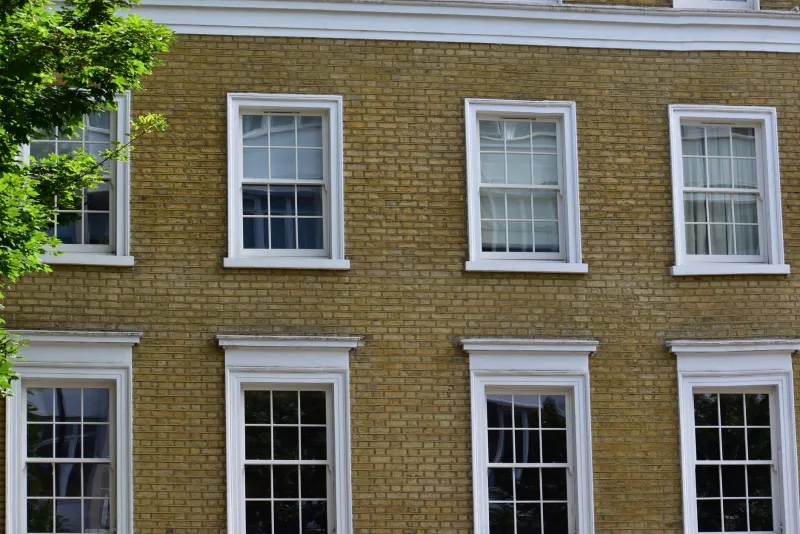
Wirral holds a remarkable variety of period housing. The terraces of Birkenhead and Bebington, the villas of Oxton and New Brighton, the model cottages of Port Sunlight and the older farmhouses out towards Heswall and Thurstaston each carry windows built to a different set of expectations. Those windows were made to admit light and to open. They were not made to keep a modern household warm, quiet or secure. Owners therefore face a recurring three-way question: repair what is there, retrofit it towards modern standards, or replace it entirely.
The answer is rarely the same for two houses, and seldom the same for two windows on the same house. What follows is a practical sequence for reaching a decision that stands up on cost, on comfort and, where it applies, on planning grounds.
Survey before you decide
Before any quotation is sought, establish exactly what you have. Identify the window type: vertical sash, horizontal sliding sash, side-hung casement, or a later metal-framed unit. Note whether the original glass survives, since cylinder and early plate glass behave differently from modern float glass and are often worth retaining. Check the timber, particularly the cill, the bottom rail and the base of the sash stiles, as these are the points where rot begins. Look for earlier alterations, such as badly fitted draught strips, painted-over pulleys or a previous partial replacement, because these change the economics of repair.
A photograph of each elevation, taken square on, is useful. It records sightlines, glazing bar widths and moulding profiles — the details that determine whether a replacement will look right.
Repair is often both the cheapest and the best answer
Sash windows are repairable in a way that modern units are not. Re-cording, re-weighting, replacing a spliced bottom rail and renewing parting beads are established joinery tasks, and the result is a window that operates smoothly for another generation. Draught-proofing with brush or silicone seals, fitted to the staff bead and meeting rail, addresses the largest single cause of heat loss in an older window: air infiltration, not glass performance. In many period properties, sealing the draughts delivers a greater improvement in comfort than changing the glazing.
As an indicative guide for the North West in 2026, excluding VAT, draught-proofing typically falls in the region of £150 to £400 per window, while a fuller overhaul — re-cord, re-weight, splice and redecorate — commonly sits between £500 and £1,100. Repair also keeps the original glass, the original profile and, importantly, the original character.
Retrofit: secondary glazing and slim units
Where repair alone will not deliver the comfort or quiet expected, retrofit is the next step. Secondary glazing is the most reversible option and is generally acceptable in sensitive buildings, since it sits behind the existing window and can be removed without trace. A slim aluminium unit with a 4mm gap offers worthwhile acoustic improvement and a meaningful reduction in heat loss, particularly when combined with draught-proofing of the primary window. Expect roughly £350 to £800 per window depending on size, frame material and whether sliding or hinged panels are specified.
Glazing upgrades are more complicated. Slim double-glazed units of 4-6-4 construction can be fitted into existing sashes, but the additional weight requires rebalancing, the narrow cavity limits thermal performance, and sealed units in shallow profiles have a shorter working life. Where the existing glass is plain and of no historic interest, this can be a reasonable compromise; where it is original cylinder glass, the trade-off deserves careful thought.
Safety and security: what period glass can and cannot do
Two separate questions are often confused. Safety concerns impact: glazing in critical locations — within roughly 800mm of the floor, in doors and in side panels — should be of a safe type, and toughened or laminated glass is the usual solution. Security concerns resistance to entry: the glass, the lock and the frame all contribute, and the weakest element governs.
Original single glazing breaks readily. Where a large pane sits close to a door or at low level, laminated glass is the sensible specification: it holds together when broken, keeps the opening closed, and can be supplied to match the appearance of the original. For the opening sashes themselves, sash stops, key-operated fasteners and restrictors materially improve resistance without altering appearance. Secondary glazing adds a further barrier, and laminated secondary panes combine acoustic and security benefits in one purchase.
When replacement is genuinely the right call
Replacement becomes defensible in a limited set of circumstances: where rot has spread beyond the joints and repair would mean rebuilding the window anyway; where an earlier generation of poorly specified uPVC has already destroyed the original and now fails on operation, sealing and appearance; where a window cannot be made safe at reasonable cost; or where a whole elevation needs consistent performance and the existing units are a patchwork.
If replacement is chosen, insist on like-for-like sightlines. Engineered timber sashes, timber-aluminium composites and the better vertical sliders can all replicate a period profile closely; narrow-profile frames, correct glazing bar dimensions and a matching moulding make the difference between a convincing result and an obvious one.
Conservation areas, listed buildings and consent
Wirral contains numerous conservation areas, including Oxton, Port Sunlight, New Brighton and parts of Bebington and Heswall. In a conservation area, the replacement of windows can amount to development requiring planning permission where it materially affects external appearance, and permitted development rights are more restricted than many owners assume. Article 4 directions remove further rights in some areas, and enforcement action is not uncommon. Secondary glazing and internal draught-proofing rarely raise an issue; wholesale replacement frequently does.
For a listed building, listed building consent is required for any alteration affecting character, and that includes replacement windows, changes to glazing bars, and often secondary glazing. Consent is a separate process from planning permission, and proceeding without it is a criminal offence. Repairs using matching materials usually fall outside consent, which is one further argument in their favour. Where replacement glazing is installed, the work must also satisfy the thermal requirements of the Building Regulations and be notified through a competent person scheme or a building control application.
A sensible order of operations
Obtain a survey and a repair quotation first, then a retrofit quotation, and only then price replacement. Check the planning status of the property before committing to anything external. Compare not only headline cost but disruption: an in-situ overhaul of a sash typically takes a day per window, while full replacement of a house's windows will mean several days of access, making good and redecoration.
Most period windows in Wirral are capable of considerably more than their owners expect. Repairing the frame, sealing the draughts and, where needed, adding laminated glass or secondary glazing will usually improve warmth, quiet and security while preserving the detail that gives a street its character. Replacement has its place, but it should be the conclusion of an argument rather than the opening bid.