Morning Mist or Failed Seal? Reading Your Windows' Winter Warnings
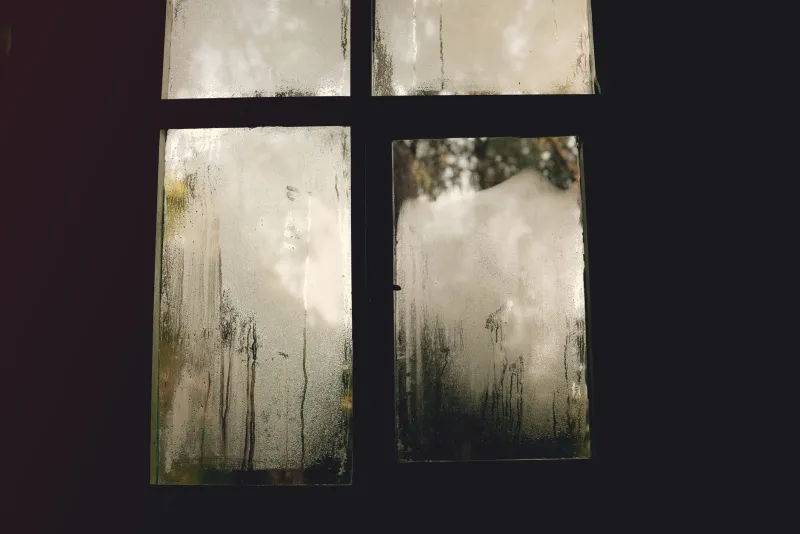
Few things announce autumn in a British home more reliably than a bedroom window beaded with water. For some properties, it is a fleeting inconvenience; for others, it is the first visible symptom of a sealed unit that has failed or a ventilation strategy that is no longer working. The distinction matters, because the appropriate response ranges from opening a trickle vent to commissioning replacement glazing.
External condensation: usually physics, not failure
When the outside pane is colder than the surrounding air, moisture in the air condenses on the glass. This is most common on autumn and winter mornings, particularly after a clear, cold night. Well-insulated double glazing can actually make external condensation more likely, because less heat escapes to warm the outer pane. The result is a film of water on the outside face that clears as the day warms.
This type of condensation is harmless. It is not evidence of a failed seal, and it does not mean the window is defective. Cleaning the glass and allowing air movement will help, but there is no repair to make. Homeowners should be cautious about any suggestion that external condensation requires drilling, chemical treatment or replacement glazing.
Water on the room side: a ventilation question first
Internal condensation points to moisture generated indoors. Cooking, showering, drying laundry and unflued heating all add water vapour to the air. Modern homes are often airtight, and if trickle vents are closed, extractor fans are weak or windows are kept sealed, humidity rises. In that sense, the glazing is revealing a household ventilation issue rather than a fault in the glass itself.
Persistent room-side condensation can lead to mould on reveals, sills and curtains. Timber frames may soften and rot; uPVC is more tolerant, but damp can still affect gaskets, drainage paths and hardware. For security, stiff or corroded locks and hinges matter. A window that does not close squarely may not engage its locking points properly. Mould also signals sustained damp that can damage decoration and, in some cases, affect occupier health. The answer is not simply to wipe the glass; it is to reduce moisture at source and improve air exchange.
Mist trapped between panes: a blown unit
If the mist cannot be wiped from either face, it is inside the sealed unit. The spacer bar and desiccant have failed, allowing moisture to enter. This is commonly called a blown unit. The glass may look unsightly and its thermal performance will fall, but the immediate security risk is usually limited unless the frame or seals are also compromised. A failed unit cannot be repaired by drilling or cleaning; the sealed unit is replaced within the existing frame, provided the frame is sound.
Damp, mould and security implications
Persistent condensation is often treated as cosmetic. It is better understood as a risk to building fabric and hardware. Water tracking into frames can corrode screws, hinges and locking mechanisms. Timber frames may swell and rot. uPVC frames are more tolerant, but gaskets and drainage paths can become blocked. In commercial premises, the same issues affect shopfronts: misted glazing reduces visibility, damp can damage displays, and poorly operating locks on rear doors or windows create an obvious point of weakness. A window that is difficult to lock because of swollen timber or corroded metal is a security problem, not just a maintenance niggle.
Repair or replace: a practical framework
Use these questions in order.
- Is the mist between the panes? If yes, a replacement sealed unit is usually the correct repair, assuming the frame is sound.
- Is the frame sound? Check for rot, warping, cracked welds, failed gaskets and smooth operation. If the frame is failing, replace the whole window.
- How many units are affected? One or two isolated failures suit unit replacement; widespread failure plus age may favour full replacement.
- What is the window's age and performance? Old single glazing, poor thermal performance and insecure hardware may make replacement more sensible.
- Are there conservation or planning constraints? In conservation areas and listed buildings, repair and like-for-like replacement may be required.
Cost guidance for 2026 should be treated as a guide rather than a quotation. A typical replacement sealed unit might cost £100 to £300 for supply, or £180 to £450 fitted per window, depending on size, glass specification and access. Full replacement of a standard uPVC window might run from £550 to £1,200 per opening, with higher figures for bays, timber, aluminium and conservation work. Lock and hinge repairs commonly fall between £60 and £150. Access equipment, scaffolding and specialist glass will add to these figures.
Reducing the odds
Ventilation is the first line of defence. Use extractor fans in kitchens and bathrooms, keep trickle vents open where fitted, and air rooms briefly each day. Maintain a steady background heat rather than sharp fluctuations. Avoid drying clothes indoors where possible, and use a dehumidifier in problem areas. Check that gutters, downpipes and window drainage slots are clear. Wipe excess water from sills before it can track into frames.
If internal condensation persists after these steps, or if mist appears between panes, a survey is sensible. At Bebington Glass, the practical approach is to identify whether the issue is ventilation, a failed sealed unit or a frame that has reached the end of its service life. That avoids unnecessary replacement and ensures that any repair addresses the cause rather than the symptom.