The Loaded Edge: Assessing Chipped Toughened Glass Before It Fails
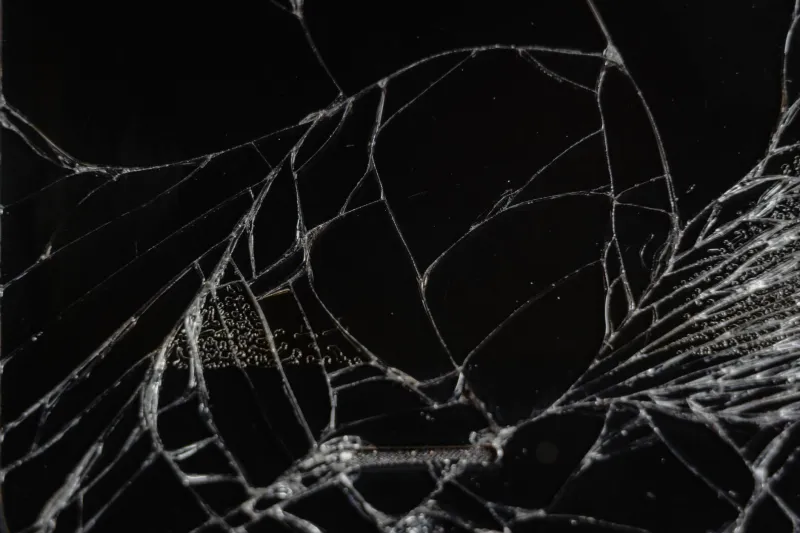
Toughened glass is specified in many UK homes because, when it breaks, it tends to fragment into relatively blunt pieces rather than long, dangerous shards. That safety characteristic is valuable, but it can encourage a false sense of security. The same heat-treatment process that gives toughened glass its strength also leaves its edges sensitive to damage. A chip that looks minor on a door, shower screen or balustrade may be the point at which a future fracture begins.
At Bebington Glass, we are regularly asked whether a small edge nick can simply be left alone. The honest answer is that it depends on where the damage sits, how deep it is and what loads the glass carries. In safety-critical locations, the prudent approach is to have the panel assessed promptly rather than wait for a crack to appear.
Why the edge is the vulnerable zone
Toughened glass is produced by heating and rapidly cooling the pane. This creates a tensile core and compressive surfaces, which is why the glass can withstand considerable bending and impact. The cut edge, however, is not in the same condition as the face. It is the boundary where stresses meet, and it is often hidden behind a gasket, clamp, hinge or seal.
A chip removes material and creates a notch. Under normal use, that notch can concentrate stress when a door is slammed, a shower screen is pushed, a balustrade is leaned on or a splashback expands with heat. The result may not be immediate. Toughened glass can fail some time after the original damage, which is why a chip should not be judged solely by how it looks on the day it is found.
Where edge damage commonly appears
Frameless and framed glass doors
Glass doors are frequent candidates for edge chips because their edges are exposed near hinges, floor pivots and locks. A door that has dropped slightly, catches on the frame or swings too quickly may be applying repeated stress to a damaged edge. Inspect the top and bottom corners, the area around patch fittings and the lock edge. If the door no longer closes cleanly, treat that as part of the same investigation.
Shower enclosures
Shower screens combine water, cleaning products, thermal movement and regular manual force. Chips often appear near hinge cut-outs, towel-rail fixings, seals and the bottom edge. Limescale and soap residue can obscure small defects, so a torch and a dry cloth are more useful than a quick glance. A cracked or deeply chipped shower screen should be taken out of use until it has been assessed.
Balustrades and guarding
Glass balustrades are safety-critical. The base shoe, clamps and corner fixings are exactly where edge damage matters most. Outdoors, wind and temperature movement add to the loads. Any chip at a fixing point, any visible crack or any movement in the balustrade should prompt immediate isolation of the area and a call to a competent glazier. This is not a component to monitor casually.
Kitchen splashbacks
Splashbacks are often cut around sockets and hobs, creating edges that may be exposed or only lightly covered. Heat from cooking, expansion of the glass and the pressure of cleaning can all affect a damaged edge. Damage near a socket cut-out deserves particular caution: keep the area dry, avoid using the socket and arrange an assessment.
How to inspect without making matters worse
Do not run your fingers along an exposed glass edge. Use a torch at a low angle to look for chips, star marks, short cracks, missing material or a white, crushed appearance at the edge. A small mirror and a phone camera can help with edges hidden behind frames. Photograph anything you find and note the date.
Check whether hinges, clamps and seals are seated correctly. Look for gaps, loose fixings, rust staining or signs that the glass has moved. Do not loosen fittings or attempt to adjust the glass yourself. If you can see a crack, a chunk missing from a load-bearing edge or movement in a balustrade, restrict access to the area and seek professional advice.
Repair or replacement?
Toughened glass should not be edge-polished, filled or repaired in situ where it performs a safety role. Those processes are not a substitute for replacement, and they can remove the very material and stress distribution the panel depends on. A visible crack in toughened glass means replacement, not repair. A chip requires an assessment of its position, depth and the loads on the panel.
It is also important to distinguish between a surface scratch and edge damage. A scratch on the face may be cosmetic or may affect visibility, but an edge chip changes the structural picture. If a glazier advises replacement, ask for the reason in plain terms: is the damage at a fixing point, is the panel safety-critical, and what is the risk of delay?
When not to wait
Do not defer action where there is a visible crack, a chip at a corner or fixing, a door that has dropped, a balustrade that moves, or a shower screen that flexes unusually. In these situations, the cost of replacement is better understood as the cost of removing an uncertain risk. Prompt attention also allows the cause to be corrected, so the new panel is not exposed to the same avoidable stress.
Prevention is largely a matter of installation quality and routine care. Ensure fixings are correct, keep edges protected during building work, avoid slamming doors and report small chips before they become cracks. For homeowners and landlords in Wirral and across the UK, a brief inspection now is a sensible alternative to an unexpected failure later.